



Also see a sample 4-year plan.
Radiologic and MRI Technologists Occupational Outlook
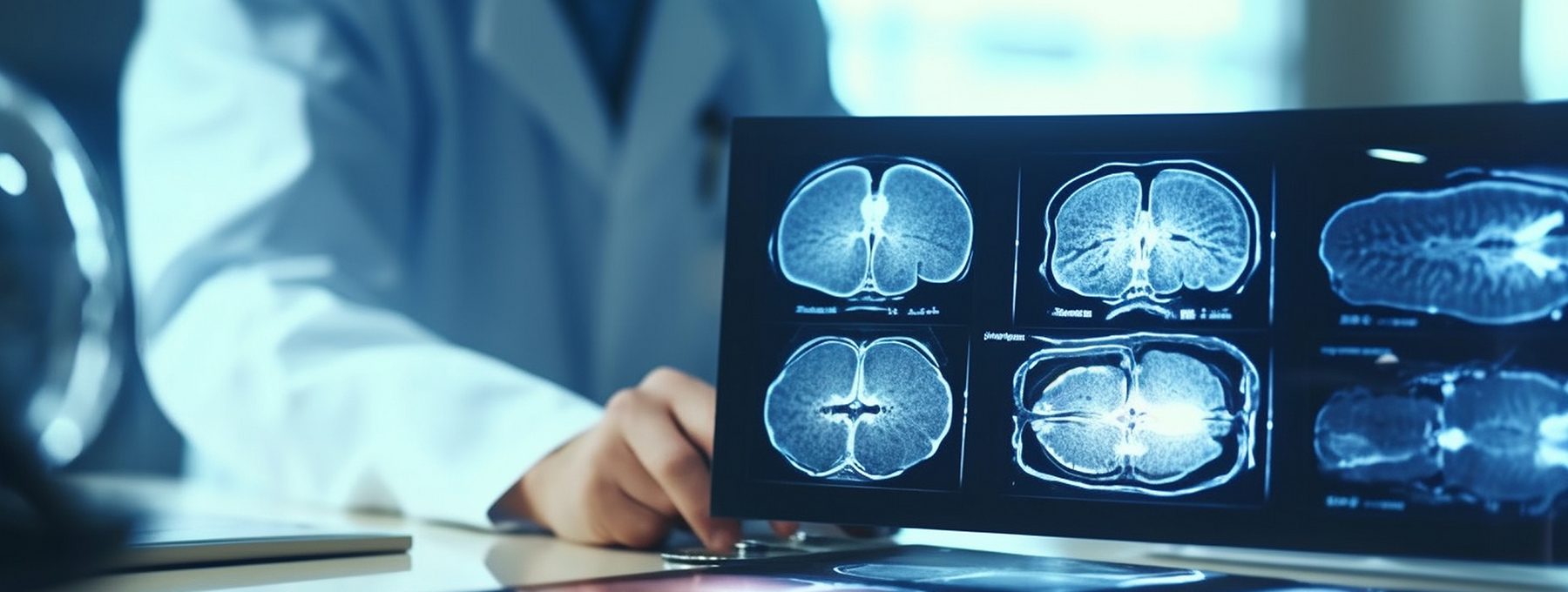
Radiologic Technologists, often called radiographers or x-ray technologists, are essential healthcare professionals who use medical imaging technologies to help diagnose disease, monitor injuries, and guide life-saving treatments. They are highly skilled in both patient care and advanced imaging, serving as the bridge between people in need and the medical images that physicians rely on to make decisions. Radiologic technologists perform far more than “take X-rays.” Their work combines technical expertise, anatomical knowledge, and empathetic patient care.
RT responsibilities typically include: Preparing and positioning patients for imaging
procedures; operating sophisticated imaging equipment such as digital X-ray machines,
fluoroscopy systems, CT scanners, or MRI units; ensuring radiation safety for patients,
themselves, and the healthcare team; producing high-quality images that allow physicians
to diagnose conditions accurately; working closely with radiologists and other medical
professionals, and documenting procedures and maintaining equipment.
Radiographers work in a wide range of clinical environments, such as hospitals (ER,
OR, trauma units, inpatient floors), outpatient imaging centers, orthopedic and specialty
clinics, urgent care centers, medical offices, mobile imaging services, and research
or education settings. The shift options vary depending on the clinical site (daytime,
evenings, weekends, and overnight).
This profession blends science, technology, and human interaction, making it a strong fit for students who enjoy patient care but also appreciate the analytical and technical side of healthcare. Successful radiologic technologists typically exhibit strong communication skills, attention to detail and safety protocols, comfort with technology and complex equipment, critical thinking and quick decision-making, empathy and patience, especially with vulnerable or injured patients, and physical stamina for positioning patients and standing for long periods.
Many professionals choose to advance into additional imaging modalities, after gaining experience, such as Computed Tomography (CT), Magnetic Resonance Imaging (MRI), Interventional Radiology (IR), Mammography, Bone Densitometry, Cardiovascular or surgical imaging, Healthcare leadership or education, or Radiation Therapy (with separate training).
With a bachelor's degree, technologists may move into leadership and management (chief technologist, imaging supervisor), education (clinical instructor, program director), informatics and PACS administration, quality assurance/radiation safety, and radiology assistant programs (advanced practice roles).
The profession offers a stable career with high demand, meaningful patient interaction, opportunities to specialize and grow, and a balance of technology and compassionate care. The job outlook & work environment projects high national demand across hospitals and specialty centers, opportunities for overtime, shift differentials, and advancement, fast-paced, patient-centered, and highly technical.
Although there are several paths to become a radiologic technologist, some students earn a bachelor’s degree first (e.g., Biology, Exercise Science, Health Sciences) and then apply to a 12–24 month radiography certificate program. They earn a bachelor’s degree, apply to a hospital-based or university-based radiography program, and then complete the program and become ARRT-eligible (ARRT stands for the American Registry of Radiologic Technologists, the leading credentialing body that certifies and registers professionals in medical imaging (like X-ray, MRI, CT) and radiation therapy, ensuring high standards of patient care through education, ethics, and exams for technologists. Achieving ARRT certification (e.g., R.T.(R) for Radiography) signifies competence and is often required for employment.
Most programs require:
Some programs require prerequisites to be completed within 5–7 years of application.
Most accredited programs require:
Not all programs require entrance exams, but common options include:
TEAS (Test of Essential Academic Skills)
HESI A2
Program-Developed Assessments
Universities use internal exams or structured interviews instead of standardized tests
Additional Application Components
Programs require a combination of the following:
Because students work directly with patients, all programs require: a Criminal background check, Drug screening, Immunization records, typically including Hepatitis B, MMR, Varicella, Tdap, Influenza, TB testing, CPR certification (BLS for Healthcare Providers), Health insurance coverage, and Physical ability clearance (ability to lift, move, and position patients). Applicants must be able to: stand and walk for long periods, lift and move patients with assistance, use fine motor skills to operate imaging equipment, communicate clearly with patients and healthcare teams, follow strict safety and confidentiality standards, and perform in high-stress or emergency.