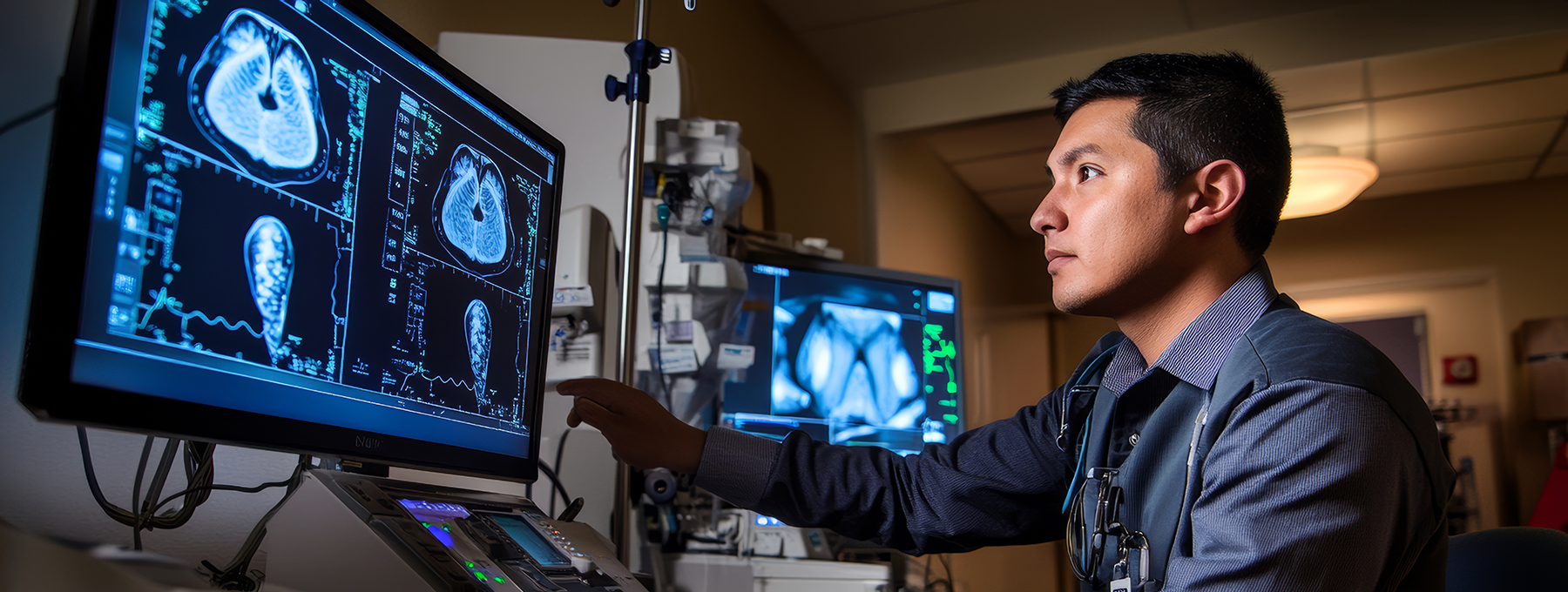
Biomedical Equipment Technician

Also see a sample 4-year plan.

Biomedical Equipment Technician Occupational Outlook

    BMETs install, maintain, troubleshoot, and repair medical devices such as defibrillators, ventilators, infusion pumps, imaging systems, and patient monitors. They work in hospitals, clinics, military settings, equipment manufacturers, and third-party service providers. 

    There are several routes into the BMET field:

    1. Associate Degree in Biomedical Equipment Technology or Biomedical Engineering Technology – Most common entry point (2 years).
    2. Bachelor’s Degree in Engineering Technology, Biomedical Engineering, or Health Technology Management – Opens doors for advancement.
    3. Certificate Programs – For those with existing electronics or military technical training. 
    4. Military Training – Many BMETs get trained through the U.S. Army, Navy, or Air Force.

    Courses:

    • Algebra and Trigonometry
    • Physics
    • Basic Chemistry
    • Computer Literacy
    • Introductory Biology (occasionally)
    • English Composition

    No specific courses are universally required, but strong preparation in math, science, and electronics is essential.

    For Associate Degree Programs:

    • Minimum GPA: Often none or 2.0+
    • Entrance Exams: Most don’t require ACT/SAT but may require placement tests (e.g., ACCUPLACER or in-house math/reading tests)

    For Bachelor’s Degree Programs:

    • Competitive GPA: 2.5–3.0+
    • ACT/SAT: May be required
    • Transfer students: May need to meet certain science/math prerequisites
    • Internship or co-op in a hospital or device company
    • Electronics or robotics clubs
    • Military or technical trade background
    • Basic coding skills (Python, C++, or Java)
    • Volunteer at medical facilities or tech workshops
    • Stay current with AAMI and HTM industry trends
    • Join the Association for the Advancement of Medical Instrumentation (AAMI) as a student
    • Develop strong soft skills – communication with clinicians and teamwork are essential
    • Network with professionals at biomedical equipment expos or virtual conferences
    • Consider graduate study or specialization in imaging systems, cybersecurity, or health technology management
    • Gwinnett Technical College
    • St. Petersburg College
    • Durham Technical Community College
    • North Carolina A&T State University
    • Tidewater Community College
    • ECPI University

    Note: Program accreditation by ABET or compliance with AAMI (Association for the Advancement of Medical Instrumentation) guidelines is preferred.

    Certifications: Not always required, but strongly preferred and can increase employability:

    • CBET (Certified Biomedical Equipment Technician) – By AAMI
    • CRES (Certified Radiology Equipment Specialist)
    • CLES (Certified Laboratory Equipment Specialist)

    CBET Exam Eligibility:

    • Associate degree + 2 years of work experience, or
    • Bachelor’s degree in a related field with no experience, or
    • Completion of a military BMET program