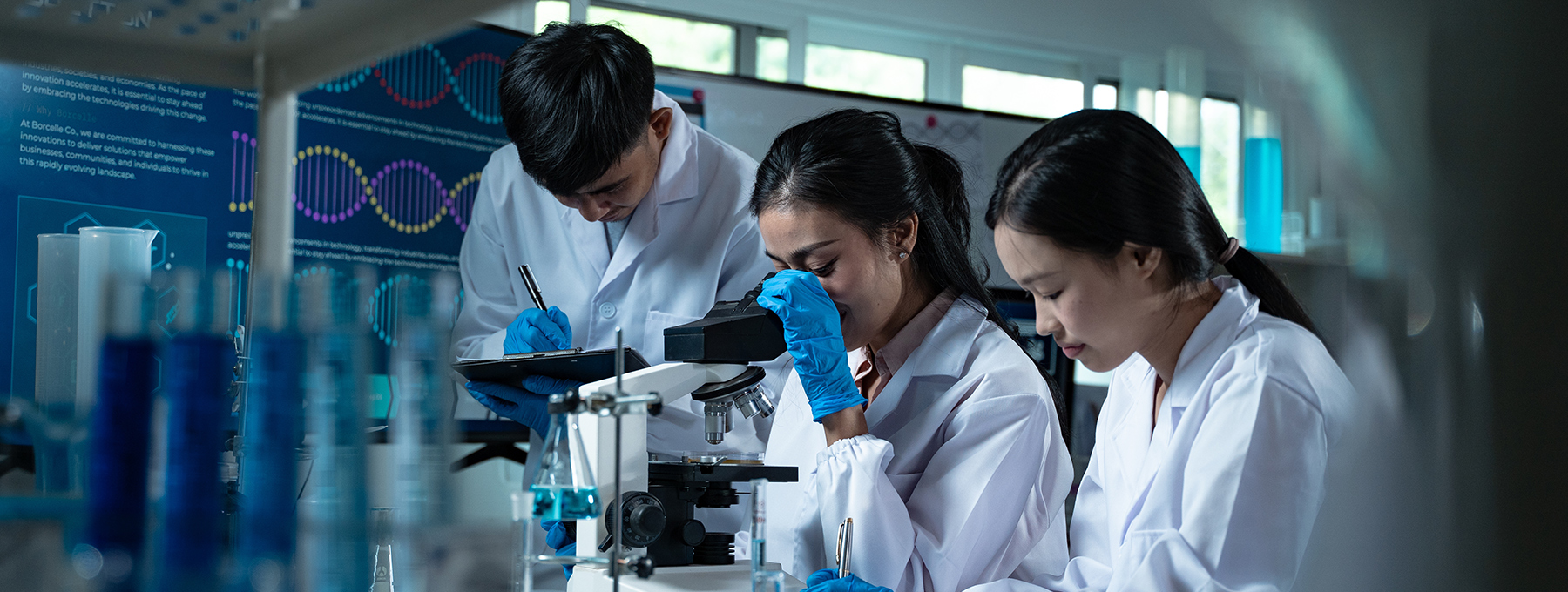
Medical Laboratory Scientists (MLS) analyze patient samples (blood, urine, tissue,
etc.) using sophisticated instruments and techniques to help diagnose, monitor, and
treat disease. The key duties of the profession include:
Performing tests in hematology, microbiology, immunology, chemistry, molecular biology, and blood banking
Operating and maintaining complex lab equipment
Ensuring accuracy and quality control of test results
Communicating critical lab findings to physicians
The common working settings for an MLS are:
Hospitals
Public health labs
Diagnostic labs (e.g., LabCorp, Quest)
Research and academic labs
Biotechnology companies
Blood banks and transfusion centers
To become an MLS, one needs to:
Complete an accredited bachelor’s degree in MLS or related science and its required
courses
Gain clinical experience through an accredited MLS program or internship
Obtain state licensure (if required) - Some states require licensure in addition to
certification. These include: California, Florida, New York, Tennessee, Nevada, and
Hawaii. Licensure requirements vary — check your state’s Department of Health website
Maintain certification with continuing education
Median Salary (2023): $63,000–$70,000 per year Job Growth: 7–10% over the next decade (faster than average) High Demand: Especially in rural areas, public health, and high-complexity labs
Professional Certifications:
MLS(ASCP) – Medical Laboratory Scientist (most common and widely accepted)
MT(AMT) – Medical Technologist, through American Medical Technologists
M(ASCP) – Specialty in microbiology
BB(ASCP) – Specialty in blood banking
There are two main educational routes:
Bachelor’s Degree in Medical Laboratory Science: Enroll in a 4-year NAACLS-accredited MLS program that includes both didactic coursework and a clinical practicum (internship). The
department of Biology at Winthrop offers a dual degree program where you, in four
years, graduate with a Bachelor in Biology and MLS. You take courses at Winthrop for
3 years and your senior year is done at Carolina College in Charlotte, NC. At graduation,
you’re eligible to sit for the ASCP exam.
Bachelor’s in a Science Major + Post-Baccalaureate Certificate: Earn a bachelor’s degree in biology, chemistry, microbiology, or similar. Complete a 1-year NAACLS-accredited post-baccalaureate certificate in MLS. Then sit for the ASCP exam.
If you are interested in exploring the profession:
Talk with advisors or professionals to understand work environments and career paths
(e.g., hospital labs, research, public health labs)
Shadow a clinical laboratory scientist or visit a hospital laboratory