

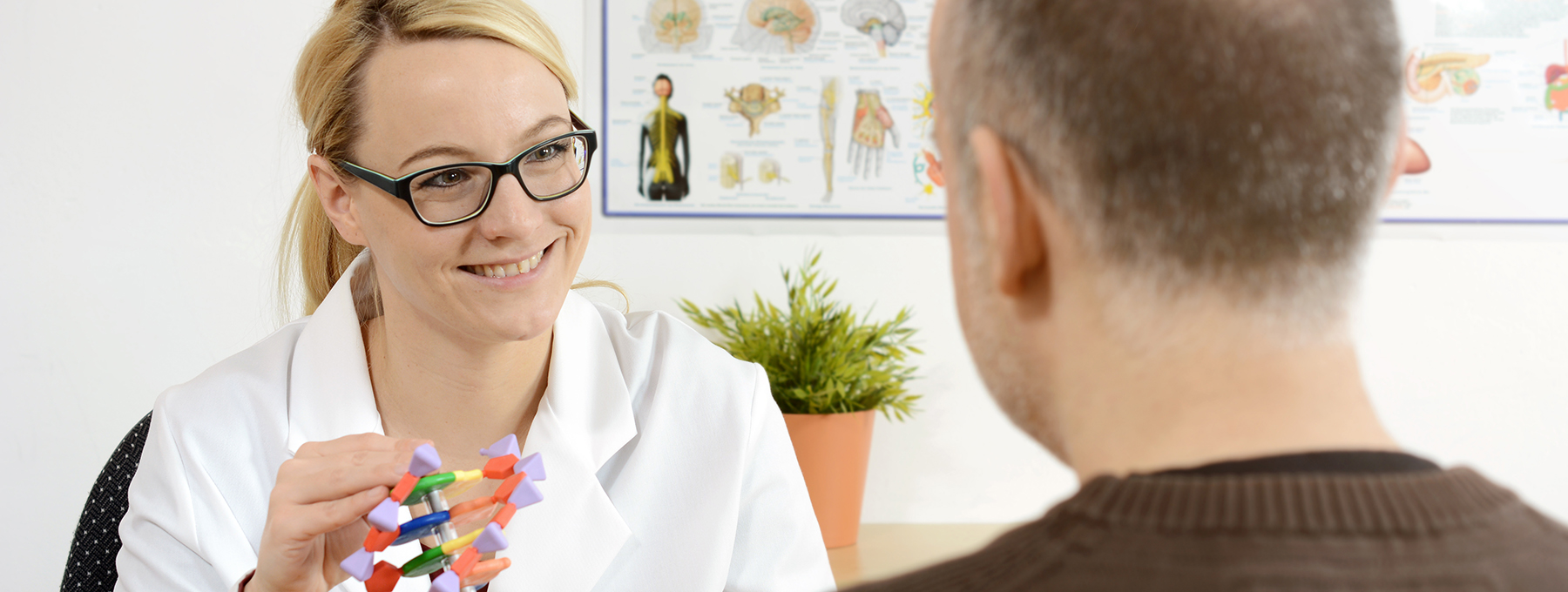
Genetic Counseling

Sample 4 Year Plan

    Courses: Intro Biology I & II, General Chemistry I & II, College Writing, Intro Psychology, Statistics.

    Activities: Join a pre-health or genetics-related student group; begin volunteer work.

    Fall Semester

    • Intro Biology I, General Chemistry I, College Writing, Intro Psychology.
    • Join a pre-health or genetics-related club (e.g., AMSA, Genetics Society).
    • Begin light volunteering (hospital, community organization).

    Spring Semester

    • Intro Biology II, General Chemistry II, Statistics, Sociology or Anthropology elective.
    • Start developing relationships with professors (attend office hours).
    • Research genetic counseling as a career (read NSGC resources, attend webinars).

    Summer

    • Volunteer in healthcare or community service setting.
    • Shadow healthcare providers if GC shadowing isn’t available yet.

    Courses: Organic Chemistry I, Genetics, Developmental Psychology, Sociology/Ethics elective.

    Activities: Begin shadowing opportunities; continue volunteering; seek summer research.

    Fall Semester

    • Organic Chemistry I, Genetics, Developmental Psychology.
    • Join or form a Genetic Counseling student group if available.
    • Apply for research assistant positions in biology, genetics, or psychology labs.

    Spring Semester

    • Organic Chemistry II (if required by target programs), Cell/Molecular Biology, Counseling or Ethics course.
    • Begin shadowing a genetic counselor (reach out to clinics or use NSGC volunteer directory).
    • Continue research involvement.

    Summer

    • Secure a research internship (university, or summer research experience for undergraduates - REU).
    • Increase clinical exposure (hospital volunteering, patient advocacy organizations).

    Courses: Biochemistry, Molecular/Cell Biology, Counseling or Behavioral Science elective.

    Activities: Research experience; leadership role in student organizations; seek GC internship or additional shadowing.

    Prep: Identify programs of interest; attend genetic counseling open houses.

    Fall Semester

    • Enroll in: Biochemistry, Advanced Genetics or Human Physiology.
    • Take a leadership role in student organizations.
    • Continue shadowing and document hours (programs often ask for specifics).

    Spring Semester

    • Enroll in: Public Health or Bioinformatics elective, Research Methods.
    • Present research at a symposium or conference (if possible).
    • Begin identifying faculty and supervisors for recommendation letters.

    Summer

    • Work/volunteer in a genetics-related clinical or research setting.
    • Finalize list of genetic counseling programs and their prerequisites.
    • Draft personal statement.

    Courses: Advanced electives (e.g., Human Physiology, Public Health, Bioinformatics).

    Activities: Finalize shadowing hours; collect recommendation letters.

    Application Timeline:

    • Summer/Fall: Apply to programs via the Genetic Counseling Admissions Match (GC Admissions Match).
    • Spring: Interviews.
    • April: Match Day.

    Fall Semester

    • Enroll in: Capstone electives (e.g., Medical Genetics, Psychology of Health, Counseling Techniques).
    • Ask for letters of recommendation early.
    • Prepare résumé and finalize personal statement.
    • Apply to programs via the Genetic Counseling Admissions Match (applications typically open in fall).

    Spring Semester

    • Attend interviews (Jan–March).
    • Continue volunteering/research until graduation.
    • Match Day (April).

    Summer (Post-Graduation)

    • Wrap up clinical/research commitments.
    • Prepare for transition to graduate program.

    Ongoing Throughout All Four Years

    • Maintain competitive GPA (3.5+).
    • Track experiences (shadowing hours, volunteer hours, research projects).
    • Reflect on experiences in a journal (helps with interviews and personal statement).
    • Stay updated on the field through NSGC, webinars, and professional conferences.