

Athletic Training

Also see a sample 4-year plan.

Athletic Trainers Occupational Outlook

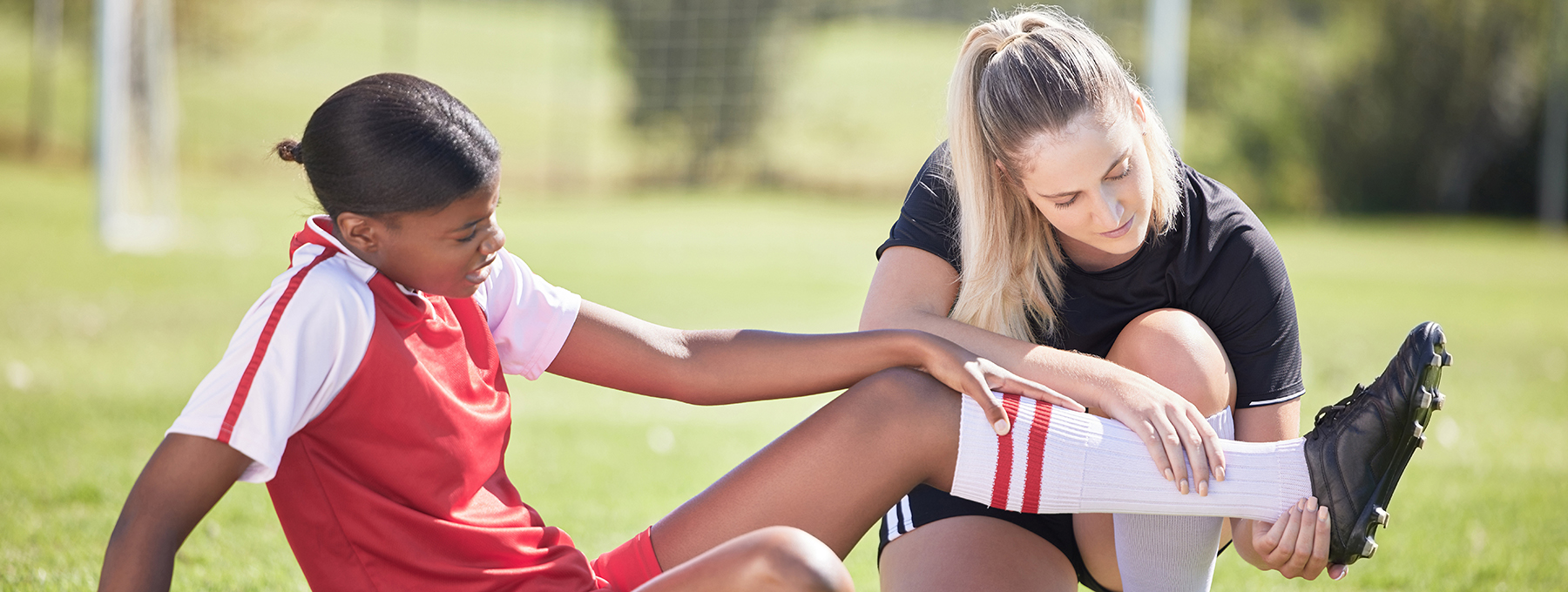
    Athletic trainers (ATs) are allied health care professionals who collaborate with physicians to provide preventive services, emergency care, clinical diagnosis, therapeutic intervention, and rehabilitation of injuries and medical conditions. They are not personal trainers; ATs are licensed/credentialed medical providers who work at the intersection of sports medicine, emergency care, and rehabilitation.

    Athletic trainers' work settings include:

    • Secondary schools (high schools) – managing student-athlete health
    • Colleges and universities – working with student-athletes at the collegiate level
    • Professional sports teams – injury prevention and treatment for elite athletes
    • Clinics and hospitals – supporting orthopedic, rehabilitation, or physical therapy services
    • Industrial/occupational health – reducing workplace injuries in factories, military, or public safety
    • Performing arts and entertainment – providing care for dancers, musicians, and stage performers

    To practice, you must:

    • Earn a Master’s degree in Athletic Training (professional AT program)
    • Pass the Board of Certification (BOC) exam

    The master’s is now the entry-level requirement (undergraduate majors in athletic training have been phased out by CAATE).

    The set of skills and qualities required to become an athletic trainer includes:

    • Strong knowledge of anatomy, physiology, and biomechanics
    • Ability to make rapid decisions in emergencies
    • Empathy and communication skills for working with injured individuals
    • Teamwork — collaborating with doctors, coaches, and other health professionals
    • Organizational skills — balancing injury records, treatment schedules, and administrative duties

    Median Salary (U.S., BLS 2024): $57,000–$60,000/year (varies by setting). Higher in professional sports ($70k+), military/industrial, or university settings.
    Projected Job Growth: 14% through 2032, much faster than average for all occupations.
    Demand: Increasing focus on concussion management, injury prevention, and workplace health/safety.

    The differences from related professional fields are:

    • ATs are licensed healthcare professionals (requiring a master’s + certification exam), while personal trainers focus on general fitness and may hold non-clinical certifications.
    • PTs usually see patients after referral for longer-term rehabilitation. ATs often handle immediate injury assessment and short-term rehab on the field or in athletic/workplace settings.

    Athletic Trainers combine emergency care, clinical diagnosis, and rehabilitation expertise to keep people active, safe, and healthy, whether they’re athletes, workers, soldiers, or performers. It’s a fast-paced, hands-on career that requires strong science training, clinical judgment, and compassion.

    There is no single required major, but common ones include:

    • Exercise Science
    • Kinesiology
    • Biology
    • Health Science
    • Pre-Health/Pre-AT tracks

    Prerequisite Courses (check each program):

    • Anatomy & Physiology I and II (with labs)
    • Biology
    • Chemistry
    • Physics (often 1 semester)
    • Psychology
    • Statistics or Research Methods
    • Nutrition
    • Exercise Physiology

    Athletic Training at Winthrop

    Competitive AT programs generally require a 3.0+ GPA (both overall and science prerequisites).

    Stronger applicants may have 3.3–3.5+.

    Observation Hours: Many programs require 50–100+ documented hours under a certified athletic trainer (ATC).

    Clinical/Volunteer Experience: Gain exposure in:

    • High school or college athletic training rooms
    • Sports medicine clinics
    • Physical therapy/rehab centers

    Campus Involvement: Join exercise science clubs, pre-health clubs, or student athletic training associations.

    Typically, 2–3 letters are required for master’s program applications. Strong sources include:

    • A Certified Athletic Trainer (ATC) you shadowed or worked under
    • A science or kinesiology faculty member
    • A supervisor from related clinical/volunteer experience

    Build relationships early with faculty and mentors — don’t wait until senior year.

    Most programs use ATCAS (Athletic Training Centralized Application System).

    Requirements:

    • Completed prerequisites with a strong GPA
    • GRE (some programs still require it, though many are going test-optional)
    • Letters of recommendation
    • Personal statement (demonstrating passion for sports medicine, patient care, teamwork)
    • Documented clinical/observation hours